In 1984, AFCOOP resided on the third floor of the Khyber building at 1588 Barrington Street. The coordinator was Linda Busby, who had orchestrated the move from Argyle Street to the Barrington Street premises six months earlier. That year the first catalogue of AFCOOP films was produced, delineating the thirty-six films AFCOOP and its members had produced since its establishment in 1974. As I perused the catalogue I became aware that many of the films—although they were gathered under various headings such as biography, experimental, educational and social and environmental—were really what critics and commentators would designate as documentary.
Up to this time, it was the National Film Board of Canada that had become synonymous with documentary. The filmmakers that established the co-op would be influenced by the documentary tradition, but they would focus on a more raw and challenging documentary aesthetic: an aesthetic where the focus would be on the lives of Maritimers both past and present.
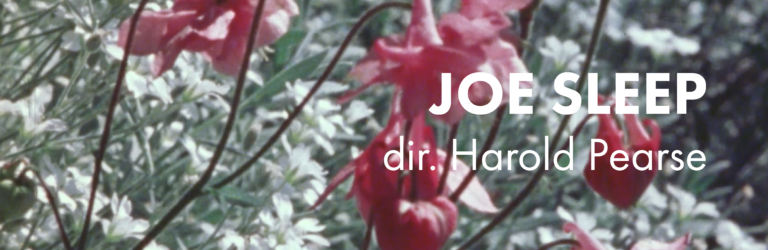
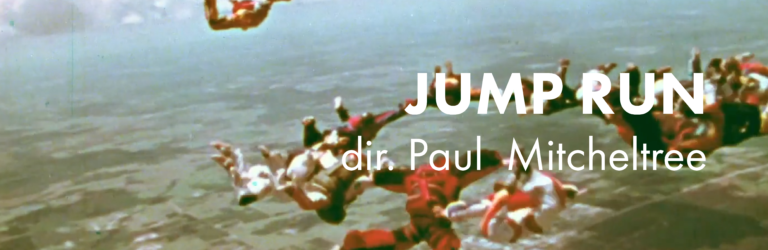
With this in mind I chose Transitions by Barbara Sternberg, Gene by Ken Pittman, Rude Questions by Doug Pope, Joe Sleep by Harold Pearse and Jump Run by Paul Mitcheltree. These five films represented, for me, a dominant stream in the early years of AFCOOP’s existence that concentrated on the struggles and resolutions that governed a “cash poor” Maritime region and its inhabitants. The filmmakers who created them understood intimately and intuitively the realities of this place as the ’70s and early ’80s unfolded around them.